
Transformations That Tread Lightly on the Planet


Walkthrough With Purpose
Numbers That Guide Decisions
Materials That Carry Lighter Footprints
Reclaimed and Regionally Sourced
Hunt salvage yards, buy-sell groups, and architectural recyclers for boards, trim, and hardware with history. Regional materials often carry fewer miles and richer stories. Scratches become patina rather than defects. Slight irregularities invite tactile appreciation and slow decorating down in a nourishing way. With careful prep and sealing, these pieces anchor spaces with authenticity while reducing demand for newly extracted resources.
Healthy Finishes, Happier Lungs
Choose low-odor paints, adhesives, and sealers to minimize indoor emissions. Ventilate thoroughly during application, and let surfaces cure before heavy use. Natural oil finishes, milk paint, or water-based products often deliver beautiful depth without harsh fumes. Consider easy-to-clean sheens where fingerprints collect. These decisions support better sleep, clearer focus, and gentler routines for children, elders, and pets who spend the most time indoors.

Light Smarter, Live Brighter

Thermal Tweaks That Feel Like Magic
Furniture, Decor, and DIY With Heart
Shop Secondhand Like a Pro
Study construction details: dovetails, solid frames, and screw-based assemblies that invite repair. Smell for strong off-gassing and walk away from persistent fumes. Sit-test comfort rather than trusting photos. Ask about provenance, then plan simple refinishing steps. Buying used stretches budgets, sidesteps new manufacturing impacts, and often yields better quality than comparable fast-furniture pieces, all while adding personality no catalog can replicate.
Give Old Pieces New Life
A scuffed dresser becomes a quiet anchor with careful sanding, soap-wash, and a plant-based oil finish that glows. Swap dated pulls for salvaged brass, line drawers with leftover wallpaper, and add felt pads for grace. Share progress photos to inspire friends. Restored objects reward patience, teaching repair skills that ripple through future projects and reduce the itch to buy something new.
Nature Inside, Calm Within
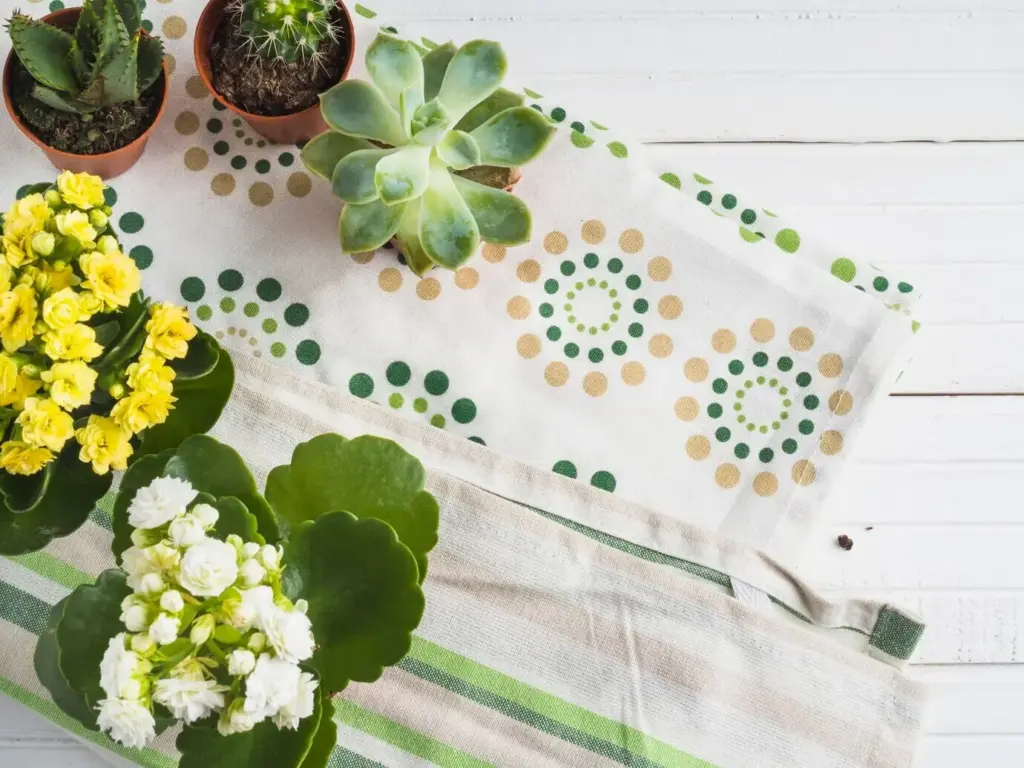
Introduce hardy plants, breathable rugs, and woven baskets that invite slow tidying. Choose linens and curtains from natural fibers, letting textures do heavy lifting without synthetic shine. Position greenery to soften corners and improve perceived air quality. If light is limited, display gathered branches or stones. These grounded elements enrich daily rituals, balancing screens and schedules with a steady, restorative presence.
Waste-Light Execution and Circular Habits
Take It Apart, Not To The Dump
Remove items thoughtfully, labeling hardware and protecting surfaces to preserve resale value. Donate cabinets, lighting, and gently used flooring to local reuse centers. Offer extras on community boards before curb time. Deconstruction yields surprising savings when disposal fees fall and reclaimed sales offset costs. Most importantly, it honors materials already mined, milled, and transported, giving them one more chapter in someone else’s story.
Plan Deliveries, Save Miles
Batch orders so trucks arrive fewer times, and choose suppliers willing to consolidate shipments. Ask for minimal packaging or recyclable alternatives. Keep a bin for cardboard and another for plastics, breaking down boxes as you work. When possible, pick up locally with a single route plan. Little logistical shifts save time, reduce emissions, and calm the chaos that often derails good intentions.
Track, Share, Inspire
Log what was donated, recycled, and truly discarded, then calculate rough diversion percentages. Photograph piles shrinking as pieces find new homes. Publish those notes alongside your reveal and invite readers to post their own diversion scores. Friendly accountability makes sustainable habits contagious, turning private victories into a community feedback loop that rewards effort, creativity, and transparent storytelling.
Style the Reveal and Measure the Win


All Rights Reserved.